


Medical Bluff

Retatrutide Dosage: Weekly Dosing, Safety & Clinical Guide

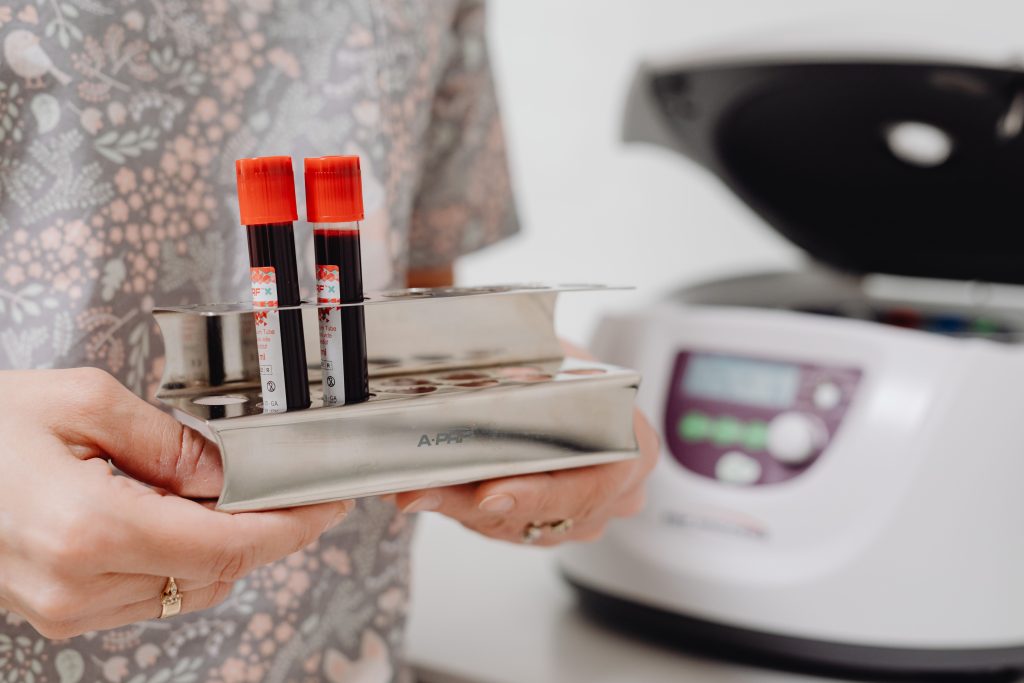
Retatrutide dosage guide showing weekly clinical trial dosing schedule and dose escalation used in obesity research.

Written by Johar Altaf Khan | MSc Chemistry, MBA | QC Manager | Founder, MedicalBluff

Medically Reviewed by Dr. Ayesha, MBBS | Family Physician

Last Updated: July 2026 | Reading Time: 10–12 Minutes


Quick Answer

If you’re here for the Retatrutide dosage, here’s what you need to know.

At the moment, Retatrutide doesn’t have an FDA-approved dosing schedule. The dosage information available today comes from clinical trials, where researchers gradually increased the dose instead of starting participants on the highest amount.

In one of the largest Phase 2 studies, some participants eventually received 12 mg once a week, but they didn’t start there. The dose was increased step by step under close medical supervision to monitor both effectiveness and safety.

If that sounds confusing, don’t worry. By the end of this guide, you’ll understand how the dosing worked, why it was increased gradually, and what the current research actually says.


Table of Contents

  • What Is Retatrutide?
  • What Is the Current Retatrutide Dosage?
  • How Was the Dose Increased During Clinical Trials?
  • Why Was the Dose Increased Slowly?
  • Possible Side Effects
  • Is Retatrutide FDA Approved?
  • Frequently Asked Questions

What Is Retatrutide?

Before we talk about dosage, let’s answer a more important question.

What exactly is Retatrutide?

If you’ve been following the latest developments in weight-loss medications, you’ve probably come across this name more than once. Most articles jump straight into weight-loss results or dosage charts, but I think it’s easier to understand the dosage when you first understand what the medication actually does.

So, let’s keep it simple.

Retatrutide is an investigational medication being studied for obesity and weight management. The word investigational simply means it is still being evaluated in clinical trials. Researchers are collecting more evidence about its long-term effectiveness and safety before it can become a routine treatment.

What makes Retatrutide different is the way it works.

Many weight-loss medications target one hormone pathway. Some target two.

Retatrutide targets three.

Researchers designed it to act on:

  • GLP-1, which helps reduce appetite and slows stomach emptying.
  • GIP, which may improve how the body responds to food and blood sugar.
  • Glucagon, which is believed to increase energy expenditure.

Think of it like this.

Instead of approaching weight management from a single direction, Retatrutide is designed to influence three different pathways involved in metabolism. That’s one of the main reasons it has attracted so much attention in obesity research.

But it’s important to keep the excitement in perspective.

Strong early results don’t automatically mean a medication is ready for everyday use. Before any new treatment reaches patients, researchers need to answer important questions about safety, effectiveness, and long-term outcomes.

That’s why, when you read about Retatrutide, remember this:

Everything we know today is based on clinical research—not an FDA-approved prescribing guide.

What Is the Current Retatrutide Dosage?

If you’ve searched “Retatrutide dosage,” you’re probably expecting a simple answer.

Something like:

“Take X mg once a week.”

Unfortunately, that’s not how Retatrutide works—at least not yet.

The reason is simple. Retatrutide hasn’t been approved by the FDA, so there isn’t an official prescribing guide that tells doctors or patients exactly what dose to use.

So, where does the dosage information online come from?

Almost all of it comes from clinical trials, where researchers tested different weekly doses to answer two important questions:

  • How effective is Retatrutide for weight loss?
  • Which dose provides the best balance between results and tolerability?

Instead of giving every participant the same dose, researchers increased the dose gradually over time. This allowed them to study how the body responded while reducing the likelihood of stomach-related side effects.

During the Phase 2 obesity trial, participants were assigned to different dose groups. Depending on the study protocol, some eventually reached 12 mg once weekly under close medical supervision.

That number often appears in headlines and social media posts. However, one important detail is frequently left out.

Participants didn’t start with 12 mg. They reached it gradually as part of the clinical trial design.

That distinction matters because the doses studied in research are not the same as an approved dosing recommendation.

Retatrutide Dose Groups Studied in Clinical Trials

Weekly Dose Purpose
1 mg Lower-dose evaluation
4 mg Intermediate-dose evaluation
8 mg Higher-dose evaluation
12 mg Highest dose evaluated

These dose groups helped researchers compare effectiveness, tolerability, and safety across different treatment levels.

How Was the Dose Increased During Clinical Trials?

One thing that often confuses readers is this:

If the highest dose studied was 12 mg, did participants start with 12 mg?

No.

One of the key features of the Retatrutide clinical trials was gradual dose escalation. Instead of starting with a high dose, researchers increased it step by step over time while monitoring how participants responded.

This wasn’t done to make the treatment more effective overnight. It was done to improve tolerability and reduce the chance of side effects as the dose increased.

Depending on the study group, participants moved through different dose levels before reaching the highest weekly dose. This gave researchers a better understanding of how the medication performed at each stage and whether higher doses provided additional benefits without causing unacceptable side effects.

It’s also worth remembering that these dose-escalation schedules were part of a controlled clinical trial. Every participant was monitored throughout the study, and the dosing followed a predefined research protocol.

That’s very different from routine medical practice.

For that reason, the dosing schedules used in research should not be treated as self-medication guides or personal treatment recommendations.

Why Was the Dose Increased Slowly?

It’s a fair question.

If a higher dose produced better results during the studies, why didn’t researchers start everyone at the highest dose?

The answer comes down to one word: tolerability.

Like many medications that affect appetite and metabolism, Retatrutide can also affect the digestive system. Starting with a high dose could increase the likelihood of side effects, making it harder for participants to continue the study.

That’s why researchers followed a gradual dose-escalation approach.

By increasing the dose step by step, they were able to observe how participants responded at each stage while giving the body time to adjust. This approach also helped researchers identify which dose levels offered the best balance between effectiveness and tolerability.

It’s important to remember that a higher dose isn’t automatically a better dose.

In medicine, the goal is to find the lowest dose that provides meaningful benefits with an acceptable safety profile. That’s one of the main reasons clinical trials compare multiple dose levels instead of focusing only on the highest one.

For Retatrutide, the gradual increase in dose was part of the research—not a recommendation for people to follow on their own.

Possible Side Effects of Retatrutide

Whenever a new weight-loss medication makes headlines, the conversation usually starts with “How much weight can it help you lose?”

But there’s another question that’s just as important:

“What side effects were reported during the studies?”

Based on the clinical trials completed so far, the most commonly reported side effects were related to the digestive system.

These included:

  • Nausea
  • Vomiting
  • Diarrhea
  • Constipation
  • Reduced appetite

If you’ve heard about medications like semaglutide or tirzepatide, this list may sound familiar. Similar digestive side effects have been reported with other medicines that work on related hormone pathways.

One interesting finding from the clinical trials was that these symptoms were often more noticeable while the dose was being increased. That’s one of the reasons researchers used a gradual dose-escalation schedule instead of starting everyone on the highest dose.

It’s also important to remember that side effects don’t affect everyone in the same way. Some participants experienced mild symptoms that improved over time, while others tolerated the treatment without major problems.

Like any medicine still under investigation, Retatrutide continues to be studied to better understand both its benefits and its long-term safety.

Is Retatrutide FDA Approved?

By now, you already know that the dosage information available today comes from clinical research.

That naturally leads to another question:

Can doctors prescribe Retatrutide today?

Not at this time.

As of July 2026, Retatrutide has not received FDA approval for the routine treatment of obesity or type 2 diabetes. While the clinical trial results have attracted a lot of attention, the approval process doesn’t end with positive results alone.

Before any new medicine becomes widely available, regulators review much more than its effectiveness. They also look at long-term safety, possible risks, manufacturing quality, and whether the overall benefits outweigh the potential harms.

That’s an important step—not a delay.

History has shown that promising medicines sometimes perform differently once they are studied in larger groups or over longer periods. That’s why health authorities take time to review all available evidence before making a final decision.

So, if you come across websites claiming that Retatrutide is already an approved treatment, it’s worth checking where that information comes from.

At the moment, the most reliable information still comes from published clinical studies, regulatory agencies, and the manufacturer.

Frequently Asked Questions (FAQs)

1. What is the Retatrutide dosage used in clinical trials?

Researchers studied several weekly doses, including 1 mg, 4 mg, 8 mg, and 12 mg. These doses were evaluated to understand their effectiveness, safety, and tolerability. They should not be considered an approved dosing guide for patients.


2. How often is Retatrutide taken?

In clinical studies, Retatrutide was given as a once-weekly injection.


3. Is Retatrutide FDA approved?

No. As of July 2026, Retatrutide has not received FDA approval for routine treatment. The available dosage information is based on clinical research.


4. What is the highest Retatrutide dose studied?

The highest dose evaluated in the Phase 2 obesity trial was 12 mg once weekly. Participants reached this dose gradually under a controlled research protocol.


5. How is Retatrutide different from semaglutide and tirzepatide?

Retatrutide targets three hormone pathways (GLP-1, GIP, and glucagon). Semaglutide targets GLP-1, while tirzepatide targets GLP-1 and GIP.


6. Can I buy Retatrutide online?

Be cautious. Retatrutide is still under clinical investigation, and products sold outside approved medical or research channels may not meet the same quality and safety standards.


7. When will Retatrutide become available?

There is no confirmed approval date yet. Its availability will depend on the outcome of ongoing clinical trials and decisions made by regulatory authorities.


What You Should Remember

Retatrutide has become one of the most closely watched medications in obesity research, but it’s important to separate research findings from approved medical guidance.

If there’s one message to take away from this article, it’s this:

The dosage information available today comes from clinical trials—not from an FDA-approved prescribing guide.

As new studies are published and regulatory decisions are announced, we’ll continue updating this guide to make sure you have access to accurate, evidence-based information.

References

1. Jastreboff AM, Kaplan LM, Frías JP, et al. Triple–Hormone-Receptor Agonist Retatrutide for Obesity — A Phase 2 Trial. New England Journal of Medicine. 2023;389(6):514–526.
https://www.nejm.org/doi/full/10.1056/NEJMoa2301972

2. ClinicalTrials.gov. Retatrutide (LY3437943) Clinical Studies.
https://clinicaltrials.gov/search?term=retatrutide

3. U.S. Food & Drug Administration (FDA). Drug Development Process.
https://www.fda.gov/patients/learn-about-drug-and-device-approvals/drug-development-process

4. National Library of Medicine (PubMed). Retatrutide Research Database.
  https://pubmed.ncbi.nlm.nih.gov/?term=retatrutide

5. Eli Lilly and Company. Retatrutide Clinical Development and Research.
https://www.lilly.com

Keep Reading — More from Medical Bluff

📌 Pillar Posts:

📌 Health & Wellness:

Written by:

Altaf Khan

MSc Chemistry, MBA, QC Manager

Popular Posts:

Ultra-processed foods and heart disease infographic showing packaged foods, healthy alternatives, and heart health risk explained

Ultra-Processed Foods and Heart Disease (2026)

Why Is Everyone Talking About Ultra-Processed Foods? A few months ago, hardly anyone was talking about ultra-processed foods. Today, they’re everywhere. Open YouTube… someone is warning about them. Scroll Facebook… another post says they’re ruining your health. Read the news… you’ll probably find a headline linking them to heart disease. No wonder people are confused. Some are asking, “Should I stop eating packaged food altogether?” Others are wondering, “Is everything processed bad for me?” The truth isn’t as simple as many headlines make it sound. A new study has certainly sparked an important conversation. But before you start clearing out your kitchen or giving up your favorite foods, it’s worth taking a closer look at what the research actually says. Because excess body weight is already one of the biggest risk factors for heart disease, you may also find our guide on Obesity and Diabetes in the US (2026) helpful. It explains how rising obesity rates are affecting public health and why healthy eating habits matter. That’s exactly what this guide is here to do. No scare tactics. No complicated medical language. Just a clear explanation of what the latest research found, what it means for your heart, and whether it’s really time to rethink what’s on your plate. Let’s start with the basics. What Are Ultra-Processed Foods? Before we go any further, let’s clear up one thing. What exactly are ultra-processed foods? It’s a term that’s getting a lot of attention these days, but many people still don’t know what it actually means. And honestly, that’s understandable. The word processed makes it sound as if every packaged food is unhealthy. That’s not true. Think about a bag of frozen peas. Or a carton of milk. Even canned beans. They’re all processed in one way or another. That doesn’t automatically make them bad for you. Ultra-processed foods are a different story. These are foods that are heavily manufactured and often contain ingredients you wouldn’t normally use in your own kitchen. Things like artificial flavors, colorings, preservatives, sweeteners, and other additives that help improve taste, texture, or shelf life. You’ve probably eaten some of them this week without even thinking about it. Breakfast cereals with lots of added sugar. Soft drinks. Packaged cookies. Instant noodles. Potato chips. Processed meats like hot dogs or some sausages. They’re convenient. They taste good. And that’s one of the reasons they’re so popular. But here’s something that’s often missing from the conversation. Eating one packet of chips doesn’t suddenly make your diet unhealthy. The bigger question is this: What does your diet look like most of the time? If ultra-processed foods make up a large part of your daily meals, your body may miss out on nutrients that are naturally found in foods like fruits, vegetables, beans, nuts, and whole grains. That’s why researchers have become so interested in this topic. They’re not asking whether one snack is harmful. They’re trying to understand what happens when these foods become a regular part of someone’s diet for years. And that’s exactly where the latest study becomes interesting. 💡 Quick Tip Don’t judge a food just because it comes in a package. Some packaged foods can still be nutritious. The goal isn’t to fear every processed food. It’s to understand the difference and make better choices more often than not. What Did the New Study Actually Find? So… What made this study such big news? The researchers wanted to answer a simple question. If people ate fewer ultra-processed foods, could it make a real difference to heart health? To find out, they looked at health data and eating habits from a large number of people. Then they estimated what might happen if the amount of ultra-processed food in the average diet was reduced. The results caught a lot of attention. The study suggested that eating fewer ultra-processed foods could help lower the overall burden of heart disease across the population. That’s encouraging. But don’t let social media headlines fool you. Some posts made it sound as if the study proved that ultra-processed foods directly cause heart disease. It didn’t. That’s an important difference. Think of it this way. If someone smokes for one day, it doesn’t mean they’ll develop lung disease. But if they smoke for years, the risk becomes much higher. Diet works in a similar way. One burger. One packet of chips. Or one soft drink… isn’t what this study is about. The real concern is what happens when those foods become a regular part of your daily routine for months or even years. That’s the bigger picture the researchers were trying to understand. And honestly… I think that’s the message many headlines missed. 💡 What This Means for You You don’t have to panic because you enjoyed pizza last weekend. The study isn’t asking people to chase a “perfect diet.” It’s simply another reminder that the foods we choose most often matter more than the foods we eat once in a while. Small changes, repeated over time, usually have a much bigger impact than one healthy meal or one unhealthy snack.  How Can Ultra-Processed Foods Affect Your Heart? By now, you might be thinking… “If ultra-processed foods aren’t the problem on their own, then why are experts worried about them?” That’s a good question. The answer isn’t about one ingredient or one meal. It’s about the overall picture. Think about the foods people eat every day. Many ultra-processed foods are high in added sugar, salt, and unhealthy fats. At the same time, they’re often low in fiber and other nutrients your body needs to stay healthy. Now imagine eating that way for years. Your body has to deal with extra sugar. Extra salt. Extra calories. But it gets less of the good stuff. Over time, that combination may increase the risk of problems like high blood pressure, weight gain, and type 2 diabetes. And those conditions are already known to raise the risk of heart disease. Want to learn more about protecting your

vibrio vulnificus

Vibrio Vulnificus: What You Need to Know About Eating Bacteria

Summer is here. And so is Vibrio vulnificus. Eight people in Florida have already been infected this year. A 17-year-old boy ended up in the hospital after swimming with a scrape on his leg. And the bacteria has now been found in waters off Long Island, New York — far north of where it used to be. This isn’t something to panic about. But it is something to understand. I’ve been in pharma for over 13 years. I know how bacteria work, how they spread, and how to stay safe. Here’s what you need to know. What Is Vibrio Vulnificus? It’s a bacterium that naturally lives in warm coastal waters — salt water and brackish water where fresh and salt water mix. It’s been nicknamed “flesh-eating bacteria” because in severe cases, it can destroy skin and soft tissue. The species name “vulnificus” is Latin for “wound-causing.” That’s exactly what it does. Fact Detail Found in Warm salt/brackish water, especially Gulf Coast and East Coast Season June to September — warmest months Deaths About 1 in 5 infected people die Cases per year 150-200 reported to CDC How Do People Get It? Two ways. 1. Open wound + warm coastal water If you have a cut, scrape, tattoo, or piercing and go into salt water or brackish water, the bacteria can enter your body. 2. Eating raw or undercooked shellfish Oysters are the main culprit. If an oyster is harvested from waters where Vibrio lives, eating it raw can make you sick. Symptoms — What to Watch For The infection can progress fast — sometimes within hours. Symptom What It Means Redness and swelling Around a wound or cut Severe pain Out of proportion to the injury Blisters or skin discoloration Blood-tinged blisters are a red flag Fever and chills Signs of systemic infection Nausea and vomiting Common with foodborne cases Low blood pressure Sepsis — life-threatening If you have any of these after swimming in coastal water or eating raw oysters — get to a doctor immediately. Don’t wait. Who Is Most at Risk? Most healthy people can fight off the infection. But some groups are at much higher risk. Risk Group Why Liver disease Most common risk factor Diabetes Weakened immune system Immunocompromised Cancer, HIV, transplant patients Kidney disease Poor infection response Iron overload Bacteria feeds on iron About 75% of V. vulnificus patients have an underlying liver condition or other immunocompromising illness. Why Are More Cases Showing Up in the Northeast? Climate change. Vibrio vulnificus used to be mostly a Gulf Coast problem. But as ocean temperatures rise, the bacteria is moving north. Researchers have detected it in waters off Long Island, New York — including Sagaponack Pond, Mecox Bay, and Georgica Pond. The CDC reports that V. vulnificus infections in the Eastern US increased eightfold from 1988 to 2018. And the northern range is expanding by about 48 km per year. How to Stay Safe CDC guidelines are clear. Action Why Stay out of salt/brackish water with open wounds Prevention is the best medicine Cover wounds with waterproof bandages If you must go in the water Wash wounds with soap and water Immediately after exposure Cook shellfish thoroughly Kills the bacteria Avoid raw oysters Especially if you’re in a high-risk group Seek medical help immediately If you have symptoms after exposure If you get a cut while in coastal water, leave the water immediately and clean the wound thoroughly. The Teen Who Almost Lost His Leg A 17-year-old boy named Joziah Thompson went swimming with a scrape on his leg at Lion’s Park in Niceville, Florida. Two days later, his mother found him moaning in pain and burning with fever. He was rushed to the hospital, started on antibiotics, and had emergency surgery to remove infected tissue. He’s still recovering. This is what Vibrio can do — even to a healthy teenager. My Honest Take I’m not a doctor. I’m a chemist who’s been in pharma long enough to know that bacteria don’t care about your plans. Vibrio vulnificus is rare. But it’s real. And it’s expanding its range. The 2025 news says that as ocean temperatures warm, we can expect more cases in places that never used to see them. You don’t need to avoid the beach. But you do need to be smart. Check your skin before you go in the water. Cover any cuts or scrapes. And if you’re in a high-risk group — liver disease, diabetes, immunocompromised — take it even more seriously. References CDC. Vibrio vulnificus. CDC. Clinical Overview of Vibriosis. Florida Department of Health. 2026 Vibrio Cases. CDC Health Alert Network. Severe Vibrio vulnificus Infections. Vibrio vulnificus. Florida cases. Clinical Overview of Vibriosis. Vibrio vulnificus has returned to Florida beaches. Written by Altaf Khan | MSc Chemistry, MBA, QC Manager | Medical Bluff Reviewed by: Dr. Ayesha, Medical Reviewer Keep Reading — More from Medical Bluff 📌 Summer Health: Heat Advisory — What It Means and How to Stay Safe Health and Wellness — More Articles 📌 Environmental Health: Microplastics Found in Human Brain — Should You Be Worried?

heat advisory

Heat Advisory — What It Means and How to Stay Safe

The eastern US is burning right now. New York hit 100°F for the first time since 2012. Washington, D.C. broke a 128-year-old record at 102°F. Philadelphia hit 103°F. The CDC is reporting “extremely high rates” of heat-related ER visits across the Northeast. This isn’t just uncomfortable. It’s dangerous. And it’s getting worse. I’ve been in pharma for over 13 years. I know what happens when the human body gets pushed past its limits. Heat doesn’t care about your age, your fitness, or your plans. It just takes. Here’s what you need to know. What Is a Heat Advisory? The National Weather Service issues a Heat Advisory when temperatures of at least 100°F — or heat index values of at least 105°F — are expected within the next 24 hours. It’s the government’s way of saying: “This is serious. Take precautions.” A heat advisory means you should avoid outdoor activities, especially during the hottest part of the day. It’s not a suggestion. It’s a warning. When the advisory escalates to an Extreme Heat Warning, that means conditions are life-threatening. We’re seeing those warnings across the eastern US right now, with over 165 million people under extreme heat alerts. The Numbers — Why This Matters Statistic What It Means 100°F New York’s Central Park — first time since 2012 102°F Washington, D.C. — broke a 128-year-old record 103°F Philadelphia — new record 46°C (115°F) Heat index in some regions — feels like 165+ million Americans under extreme heat alerts “Extremely high” CDC’s assessment of heat-related ER visits These aren’t just numbers. These are real people, real risks, and real consequences. What Happens to Your Body in Extreme Heat? When you’re exposed to high temperatures, your body tries to cool itself through sweating. But when humidity is high, sweat doesn’t evaporate efficiently. When your body can’t cool down, your core temperature rises. Your heart works harder. Blood pressure drops. It’s a chain reaction — and it can happen fast. And if you don’t cool down, things go bad fast. Heat exhaustion is the first stage. You feel weak, dizzy, nauseous. Your skin is pale and clammy. Your body temperature might be elevated but usually stays below 104°F. Heat stroke is the life-threatening stage. Your body temperature spikes above 104°F. You stop sweating. You become confused, disoriented, or unconscious. This is a medical emergency. It can kill you. Condition Symptoms Action Heat Exhaustion Heavy sweating, weakness, headache, nausea, pale skin, rapid pulse Move to shade, drink water, rest Heat Stroke Body temp >104°F, confusion, no sweating, rapid heartbeat, loss of consciousness Call 911 immediately. Cool the person down Heat exhaustion is reversible. Heat stroke can be fatal. Who Is Most at Risk? Group Risk Older adults Reduced ability to regulate body temperature Children Less efficient sweating, higher surface-to-mass ratio People with chronic conditions Diabetes, heart disease, obesity Outdoor workers Prolonged sun exposure and physical activity People on certain medications Antidepressants, diuretics, some heart medications People without AC No way to cool down If you fall into any of these categories, you need to be extra careful. And if you know someone who does — check on them. How to Stay Safe — What Actually Works 1. Stay Hydrated Drink water regularly — even if you don’t feel thirsty. Thirst isn’t a reliable early warning sign. Avoid alcohol, caffeine, and sugary drinks — they dehydrate you. 2. Limit Outdoor Activities If you must go outside, do it early morning or late evening. Stay out of direct sunlight. The heat index can increase by up to 15°F in direct sun. 3. Stay Cool Indoors Air conditioning is your best defense. If you don’t have AC, go to a cooling center, library, or mall. Take cool showers or baths. Wear loose, lightweight, light-colored clothing. 4. Never Leave Anyone in a Car Not kids. Not pets. And definitely not anyone. Even with the windows cracked, temperatures inside a car can reach lethal levels within minutes. 5. Check on Vulnerable People Older neighbors. People with chronic conditions. Anyone without air conditioning. A quick phone call can save a life. 6. Monitor Your Medications Some medications — including antidepressants, diuretics, and certain heart drugs — can make you more sensitive to heat. Check with your doctor if you’re unsure. 7. Know the Signs If you feel dizzy, weak, nauseous, or confused — get out of the heat immediately. Don’t push through. That’s how people end up in the ER. The CDC’s SHADE Method The CDC recommends following the SHADE acronym for heat safety: Letter Action S Stay hydrated — drink water regularly H Heat awareness — know the risks A Avoid the sun — stay in shade or indoors D Dress for the weather — light, loose clothing E Exercise caution — limit outdoor activities A Personal Story I had a friend who thought he was invincible. Mid-30s, fit, ran marathons. He went for a run during a heat wave because he “didn’t want to skip his routine.” Halfway through, he collapsed. Heat stroke. Body temperature hit 105°F. He spent three days in the hospital. He survived. But he told me later: “I thought I was fine. I thought I knew my limits. I was wrong.” Don’t be that person. My Honest Take I’m not a doctor. I’m a chemist who’s been in pharma long enough to know that the human body has limits. And heat doesn’t care about your plans. This heat wave is real. It’s dangerous. And it’s going to get worse before it gets better. Take it seriously. Drink water. Stay inside. Check on people who need help. And if you feel off — get out of the heat. It’s not weakness. It’s survival. References National Weather Service. Heat Advisory Criteria. 2026. Centers for Disease Control and Prevention. Extreme Heat and Your Health. 2026. CDC. Heat-related Illness Statistics. 2026. New York Times. Heat Wave Updates: Eastern U.S. 2026. CNN. Punishing Heat Wave Hits Eastern US. 2026. Written by Altaf Khan | MSc Chemistry, MBA, QC Manager | Medical Bluff Reviewed by: Dr. Ayesha, Medical Reviewer This content was written by

maternal-fetal medicine

Maternal-Fetal Medicine — Expert Care for High-Risk Pregnancies

Let me tell you something straight. Pregnancy is supposed to be exciting. But for some women, it’s terrifying. Not because something’s wrong with them — but because something could go wrong. And that uncertainty is exhausting. That’s where maternal-fetal medicine comes in. It’s a field that exists to catch problems early, manage them aggressively, and give both mother and baby the best possible shot at a healthy outcome. I’ve been in pharma long enough to know that high-risk pregnancies aren’t a death sentence. But they do require a different level of care. And that’s exactly what MFM specialists provide. What Is Maternal-Fetal Medicine? Maternal-fetal medicine (MFM) is a subspecialty of obstetrics. These doctors — also called perinatologists — are OB/GYNs who complete an additional three years of training specifically focused on managing high-risk pregnancies . They’re the experts you call when a pregnancy gets complicated. An MFM specialist doesn’t replace your regular OB/GYN. They work alongside them. They handle the complex stuff — advanced imaging, genetic testing, fetal monitoring, and managing chronic conditions during pregnancy . And they’re trained to do procedures that regular OBs don’t do — like amniocentesis, chorionic villus sampling, and even fetal surgeries . Why Would You Need an MFM Specialist? About 20% of pregnancies are considered high-risk . That’s one in five. And the reasons vary widely. You might be referred to an MFM specialist if you have: Pre-existing conditions — diabetes, high blood pressure, heart disease, thyroid disorders, lupus, kidney disease, or autoimmune conditions  A history of complications — previous preterm delivery, miscarriage, stillbirth, or multiple cesareans  Advanced maternal age — 35 or older  Multiple gestation — twins, triplets, or more  Fetal complications — birth defects, genetic conditions, or fetal growth restriction  Unexpected issues — abnormal genetic test results, infections that may affect the pregnancy, or abnormal ultrasound findings  The earlier these factors are identified, the better the outcome. That’s why MFM specialists often get involved before pregnancy — through preconception counseling — to help women understand their risks and plan accordingly . What Do MFM Specialists Actually Do? Advanced Imaging MFM specialists are experts in high-resolution ultrasound. They can detect fetal anomalies, growth problems, and placental issues that regular OBs might miss . They also perform fetal echocardiography, biophysical profiles, and Doppler studies to monitor blood flow to the baby. Genetic Testing and Counseling They work alongside genetic counselors to help patients understand their options. This includes non-invasive prenatal testing (NIPT), carrier screening, and invasive tests like amniocentesis or chorionic villus sampling (CVS) when needed . Management of Chronic Conditions If you have diabetes, hypertension, or heart disease, an MFM specialist will co-manage your pregnancy with your OB. They adjust medications, monitor blood work, and create a delivery plan that minimizes risks . 24/7 Emergency Care High-risk pregnancies don’t follow a schedule. MFM specialists provide around-the-clock access to emergency care for complications like preterm labor, preeclampsia, or placental abruption . Fetal Interventions In some cases, MFM specialists perform procedures on the fetus before birth. This can include fetal surgery, intrauterine transfusions, or other interventions for conditions like twin-to-twin transfusion syndrome or severe fetal anemia . The Latest Advances in MFM Liquid Biopsy Technologies Traditional methods for detecting placental dysfunction are often invasive or only detect problems later in pregnancy. Liquid biopsies — which analyze biomarkers like cell-free DNA, cell-free RNA, and extracellular vesicles in maternal blood — offer a non-invasive, real-time way to assess placental and fetal health . These biomarkers can signal conditions like preeclampsia, preterm birth, and fetal growth restriction weeks before clinical symptoms appear. That means earlier intervention and better outcomes . Fetal Growth Restriction (FGR) Pregnancies complicated by extremely early-onset FGR (diagnosed at or before 26 weeks) face significant risks. A 2025 meta-analysis found that perinatal death occurred in 16% of such pregnancies, with genetic anomalies present in 9.6% and structural anomalies in 23.2%. Preeclampsia affected 21.6% . This highlights why early detection and MFM involvement is critical — not optional. Fellowship Training is Evolving MFM fellowship programs are now integrating telemedicine, simulation training, cultural competency, and systems-based leadership skills to prepare the next generation of specialists . The field is adapting to rising maternal morbidity and increasing clinical complexity driven by advanced maternal age, chronic diseases, and evolving reproductive technologies . What the Data Shows A 2024 prospective study of 94 high-risk pregnancies found that postpartum hemorrhage (PPH) was the most common immediate complication, occurring in 31.91% of cases. Surgical site infection affected 25.52% . The most common cause of perinatal morbidity was respiratory distress syndrome (13.83%). The perinatal mortality rate was 26.59% . But here’s the key takeaway — with early detection, vigilant monitoring, and timely intervention, there was no maternal mortality in that study . Another study of over 17,000 women found that only 18.3% were high-risk. Among them, preterm admissions were highest (26.67%) and cesarean sections were more common (52.5%). NICU admissions were 21.59%, and neonatal death was also higher in this group . The lesson? High-risk pregnancies require high-level care. But that care works. My Honest Take I’m not an OB-GYN. I’m a chemist who’s been in pharma long enough to know that high-risk pregnancies are a medical reality — and they’re becoming more common as women delay pregnancy and chronic conditions increase. Maternal-fetal medicine is the most important development in obstetrics in the last few decades. It doesn’t eliminate risk, but it mitigates it. It turns a potentially dangerous pregnancy into a manageable one. If you’re pregnant and have any of the risk factors I mentioned — see an MFM specialist. Don’t wait. And if your OB recommends a consult, take it seriously. High-risk doesn’t mean impossible. It just means you need the right team. Written by Altaf Khan | MSc Chemistry, MBA, QC Manager | Medical Bluff Reviewed by: Dr. Ayesha, Medical Reviewer References Penn Medicine. High-Risk Pregnancy Care. 2026.  Vanderbilt Health. What Is a Maternal-Fetal Medicine Specialist? 2024.  Mangla M, et al. Advancements in Liquid Biopsy Technologies for Non-Invasive Detection of Placental Dysfunction. Maternal-Fetal Medicine. 2026;8(1):68-74.  Bablad A. Maternal and Perinatal Morbidity and Mortality in High-Risk Pregnancy. International Journal of Reproduction, Contraception, Obstetrics and Gynecology. 2024;13(11):3047-3055.  UF Health. Maternal and Fetal Medicine. 2026.  Johns Hopkins Medicine. High-Risk Pregnancy: What You Need to Know. 2025.  Zalud I.

Share:

Send Us A Message